
The State of the Industry in 2025
The Pillars of the New Era of Risk
The mutual insurance industry continued to navigate the new era of risk throughout 2025 - beginning with a catastrophic wildfire season just days into the year. Pressures intensified on multiple fronts: growing climate volatility, legal system abuse that drove up costs, renewed battles over third-party litigation funding, and expanding governmental and regulatory overreach that, in many cases, made it harder for carriers to match rate to risk.
In response, NAMIC served as a steady advocate for members - challenging harmful proposals and advancing practical solutions that protect the integrity of mutual insurance.
Over the course of the year, the association delivered meaningful wins across all four pillars - climate risk and weather volatility, economic pressures, litigation abuse, and regulatory overreach - reinforcing the principles that define NAMIC's work and strengthening the industry's ability to remain affordable, accessible, and resilient for the communities it serves.
Climate Risk and Weather Volatility
As climate risk increased and more people moved into higher-risk areas, NAMIC advanced policy solutions to help insurers manage and respond to catastrophic natural disasters.
NAMIC continued to champion mitigation and increased funding for projects that strengthen communities before and after disasters. The association supported legislation in Arkansas, Louisiana, Maine, and New Mexico to raise building standards, establish resilience funds, and encourage policyholders to reduce risk from storms and wildfire.
At the federal level, NAMIC advocated for reforms at the Federal Emergency Management Agency, including elevating the agency's leader to a cabinet-level position so the federal government can move quickly to deliver aid and resources to affected communities.
Economic Pressure
Economic pressure from litigation trends - particularly runaway jury awards - climbed to unprecedented levels. NAMIC advocated for commonsense reforms nationwide to reduce the risk of nuclear verdicts.
Tort reform in key states - Georgia, Florida, and Louisiana - continued to show results in 2025 as market conditions improved and legal uncertainty declined. These states provide compelling examples of how targeted reforms can rein in outsized settlements and support more stable insurance markets.
NAMIC also helped stop more than 40 bills that would have rolled back or weakened tort reform. The association shared lessons from Florida's progress to help lawmakers pursue reforms that improve market trends and reduce upward pressure on rates.
Litigation Abuse
NAMIC continued to push back against litigation practices that can turn the legal system into a profit center, increasing costs for members and their policyholders.
Georgia, Kansas, Kentucky, Montana, Ohio, Oklahoma, and other states advanced legislation to increase transparency around third-party litigation funding agreements. NAMIC also worked with allied business and insurance organizations to pursue similar reforms at the federal level, including provisions focused on TPLF transparency and ensuring awards were taxed as ordinary income in the One Big Beautiful Bill.
Regulatory Overreach
Regulatory shift continues to be a problem for members, but NAMIC made significant strides in 2025 to combat overreach by the state and federal governments. The association continued to push lawmakers to wind down the Federal Insurance Office and stop federal overreach into the proven state-based system.
Across the country, NAMIC testified against bills rooted in bad ideas that would challenge risk-based pricing and underwriting fundamentals and successfully brought the full power of the membership to stop lawmakers from eroding the affordability and accessibility of insurance in their states. The association specifically called on members and used its influence to stop bad legislation in Arizona and Maryland.
As artificial intelligence rises in prominence, state governments, insurance departments, and the federal government have started policing the technology, and NAMIC has been there every step of the way. The association testified before or spoke to senators, representatives, assemblymembers, and delegates across the country advocating against duplicative regulations. NAMIC was successful in carving out exemptions for insurers from AI regulation in states such as Texas while also keeping fingers on the pulse of bills that ultimately did not make their way out of legislatures in California and Nevada.
HUD Reaches a Milestone
NAMIC reached a pivotal milestone in its long-running legal challenge to the U.S. Department of Housing and Urban Development's disparate impact rule when an executive order directed HUD to reconsider-and abandon-the use of disparate-impact liability. The order effectively signaled an end to the rule that prompted NAMIC's more than a decade-long lawsuit. While broader legal and policy discussions continue, the outcome underscored the impact of NAMIC's persistent, strategic advocacy on behalf of its members.

Terrorism Risk Insurance Act
Although the Terrorism Risk Insurance Act is not set to expire until Dec. 31, 2027, NAMIC urged Congress to pursue a long-term extension of the program. Liz Heck, former NAMIC board chair and president and CEO of Greater New York Insurance Companies, testified before the House Financial Services Housing and Insurance Subcommittee on the association's behalf.
Continuing to Tell the Mutual Story
NAMIC continued to elevate the mutual story-communicating what mutual insurers stand for and why it matters. In 2025, the association delivered its strongest earned media performance to date, significantly expanding national visibility and influence and carrying momentum into 2026.
NAMIC's 130th Annual Convention became a national media catalyst, anchored by the organization's first on-site press conference. The event generated five broadcast interviews and 83 direct quotes across 109 outlets.
Earned media advanced NAMIC's advocacy priorities at the federal and state levels, from artificial intelligence regulation to NFIP and FEMA reform, insurance affordability, and other key legislative efforts. Additional high-impact placements-such as in Newsweek-reinforced NAMIC's authority on issues including TRIA, climate risk, workers' compensation, and autonomous vehicles.
NAMIC received consistent-and considerable-media coverage in top-tier outlets, including:
- Bloomberg
- CBS News
- NPR
- Yahoo! News
- The Los Angeles Times
- The Miami Herald
Making a More Connected and Educated Industry
Events, Education, and Association Services
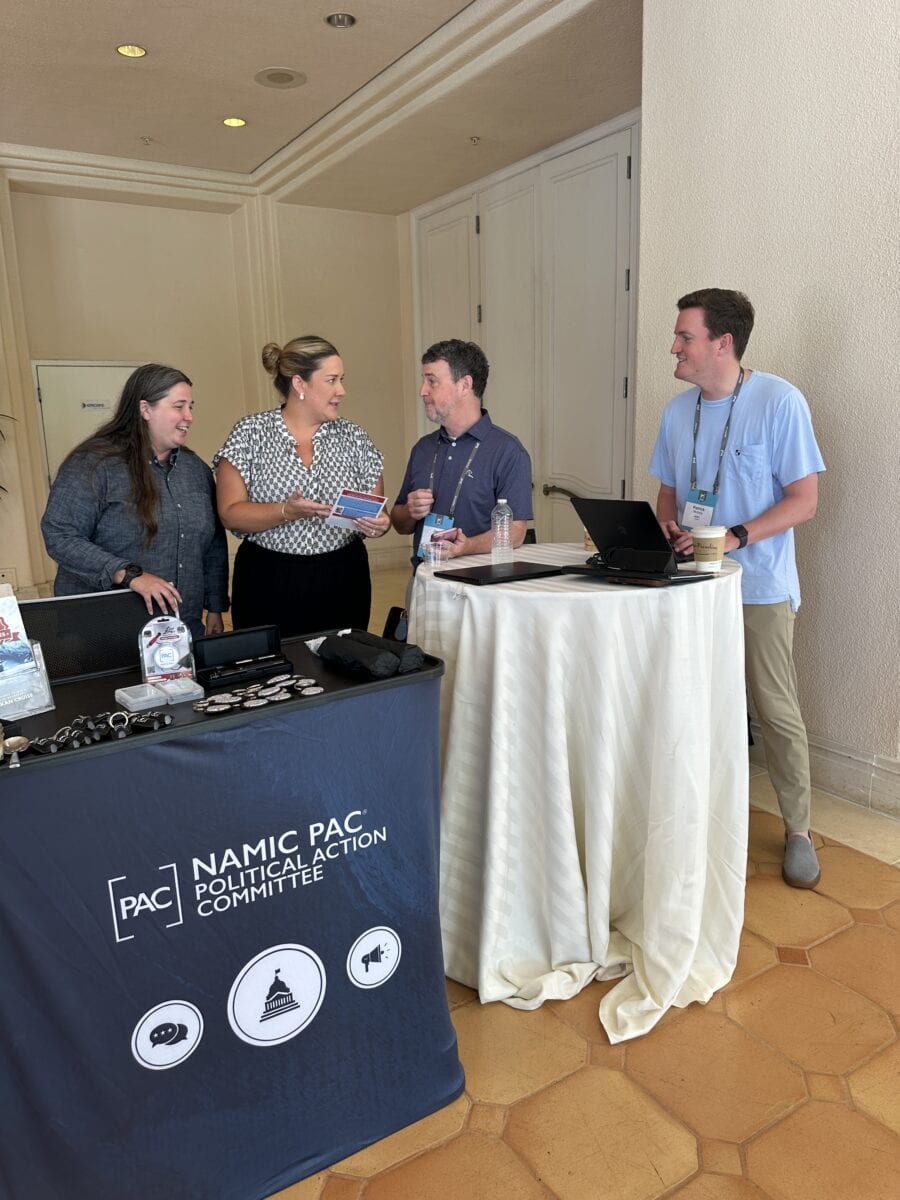
NAMIC convened nearly 3,700 attendees across a dozen in-person events, creating opportunities to connect and learn about the industry's most pressing and emerging issues. Another 3,400 participants joined approximately 85 webinars, extending NAMIC's educational reach beyond the conference floor.
Introduced in late 2024, NAMIC's Mutual Insurance Professional and Mutual Insurance Director certification programs celebrated their inaugural graduating classes in 2025. Together, more than 135 members added MIP or MID to their signature blocks.
Through NAMIC Association Services, the association provided full-service association management for eight insurance-focused associations that provide education, networking, and resources to the broader industry. NAMIC Association Services also provided 17 clients end-to-end event planning services, delivering upwards of 80 events.
NAMIC mutual insurance foundation scholarship
Once again, NAMIC worked to strengthen the future of the industry by providing scholarships to college students pursuing insurance and insurance-related degrees.
NAMIC member donors generously gave a collective $168,000 to the NAMIC Mutual Insurance Foundation Scholarship. Twenty-two students from 16 universities received scholarships in 2025.
Being Good Stewards for the Membership
NAMIC welcomed 23 new member companies across all member types and retained 99.3 percent of its more than 1,300 member companies. More than 230 industry-related vendors and solutions providers sponsored events and supported content across the association.
NAMIC's financial performance in 2025 provided a solid foundation for targeted investments that reinforce the association's long‑term stability and mission. These results enabled the ongoing modernization of financial systems that has supported greater efficiency and the delivery of best‑in‑class services. NAMIC also continued to invest in new technologies to better serve members and expanded on‑the‑ground capacity, allowing the association to strengthen advocacy efforts and address the increasingly complex challenges of risk and public policy in today's evolving environment.
Revenue
Expenses
Being Good Stewards to the Community
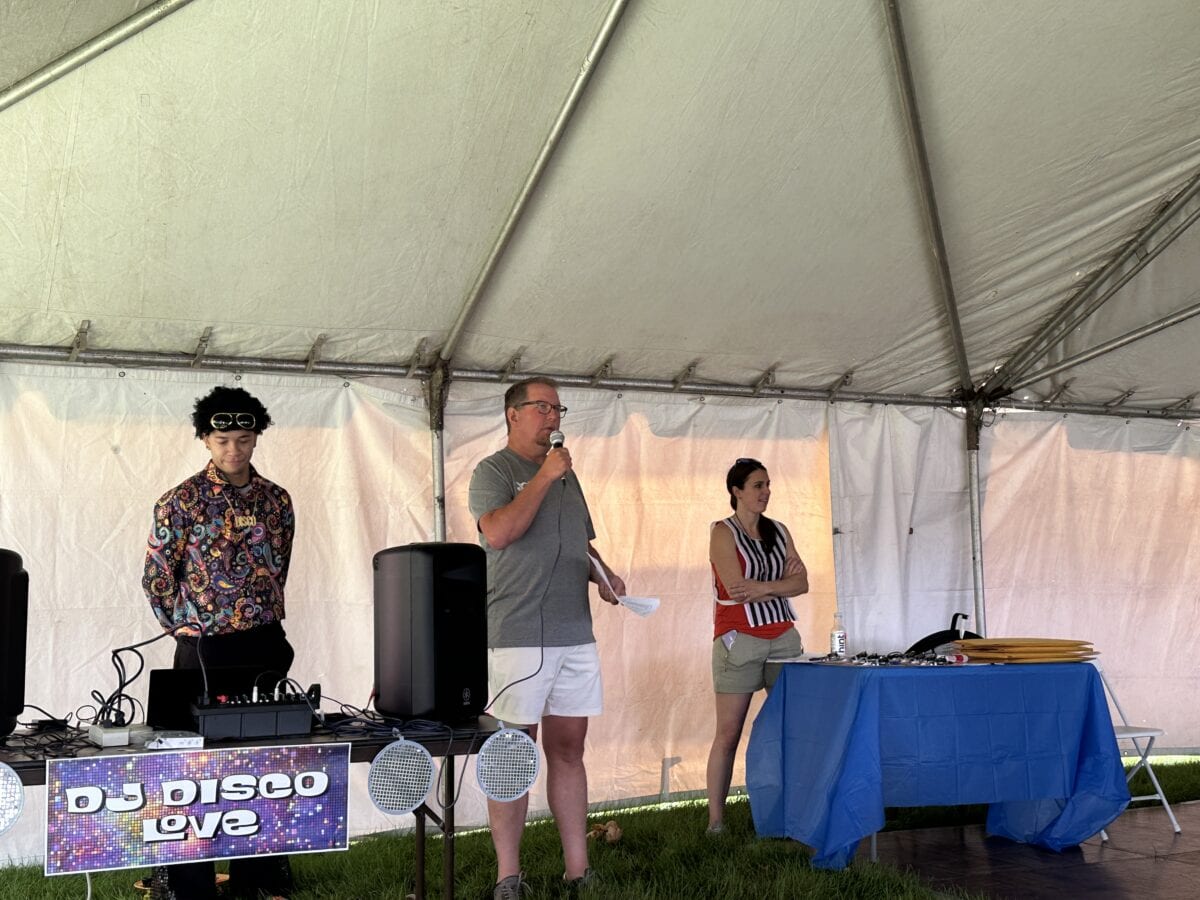
NAMIC takes pride in being a strong community partner in the Indianapolis area. In 2025, employees volunteered to help clean up a state park and to stock and distribute food at a local shelter.
In 2025, the Indiana Chamber of Commerce named NAMIC one of the Best Places to Work in the medium company category. This marked the eighth time the association earned the designation, which is determined through employer reports and comprehensive employee surveys. Employees cited the collegial environment, workplace flexibility, and family-first policies as key reasons to work at NAMIC.










Looking Ahead as Risks Continue to Converge
The challenges the industry faced in 2025 will continue to test us, and new ones will emerge in 2026 and beyond. Technology will accelerate, climate risk will persist, and legal system pressures will remain a central concern.
But the mutual property/casualty insurance industry does not retreat when conditions are difficult, nor does the association that represents it. As NAMIC launches a new strategic plan in 2027, we do so with clear priorities, strong foundations, and a shared commitment to service. With the membership, NAMIC will continue to grow, adapt, and lead on behalf of the companies it represents and the communities they serve.